28+ Composite Cone Volcano Eruption
Composite Cone Volcano Eruption. Composite volcanoes are characterized by highly explosive eruptions. Things control the force of a volcano's eruption.

They form when different types of eruptions deposit different materials around the sides of a volcano. Composite volcanoes are built by multiple eruptions, sometimes recurring over hundreds of thousands of years, sometimes over a few hundred. Subscribe and get access to thousands of top quality interact.
credence adhesive metal clinique saint antoine bois guillaume gynecologue compresseur michelin 50 litres avis cloture bastaing bois
Volcanoes and eruptions
These are composite cone volcanoes, shield cone volcanoes, cinder cone volcanoes, and lava dome volcanoes. One of the most famous stratocones in the world is mount fuji, japan. Stratovolcanoes or composite cones are formed from a combination of eruptions. Shield volcanoes form very large, gently sloped mounds from effusive eruptions.

One of the most famous stratocones in the world is mount fuji, japan. What type of eruptions do composite volcanoes have? The essential feature of a composite volcano is a conduit system through which magma from a reservoir deep in the earth's crust rises to the surface. A large stratovolcano will be built with many layers of ash and lava..

Stratovolcanoes or composite cones are formed from a combination of eruptions. Cinder cone s, sometimes called scoria cone s or pyroclastic cone s, are the most common types of volcanic cones. When looking at a map, you will find that thousands of cinder cones exist in western north america and in other volcanic areas of the world. They are made.
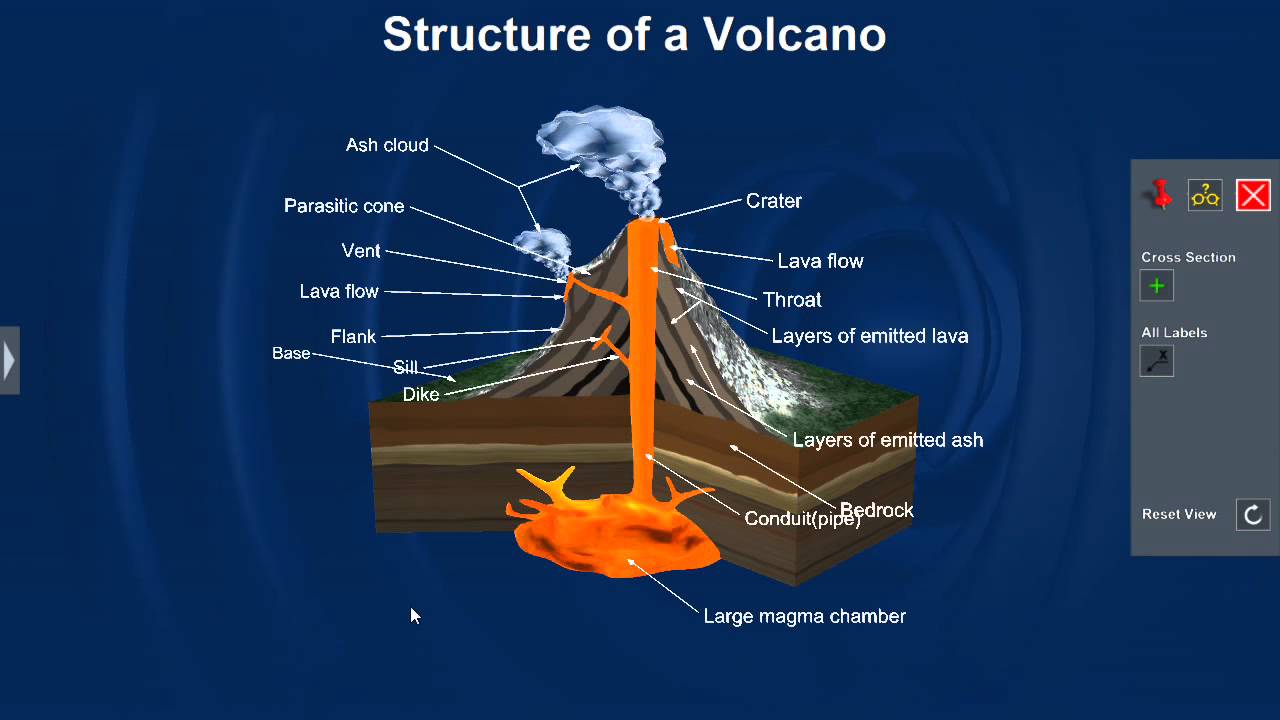
They form when different types of eruptions deposit different materials around the sides of a volcano. Composite cone volcanoes can grow to heights of 8,000 feet or more and have explosive eruptions. The essential feature of a composite volcano is a conduit system through which magma from a reservoir deep in the earth's crust rises to the surface. Lava is.

These are composite cone volcanoes, shield cone volcanoes, cinder cone volcanoes, and lava dome volcanoes. A lso known as stratocones, composite cones are made up of layers of lava, volcanic ash, and fragmented rocks. Composite volcanoes are characterized by highly explosive eruptions. Most famous eruptions and volcanoes are composite cones, with the exception of the hawaiian islands, which. If eruptions.

When large composite volcanoes explode, they can leave behind a collapsed region called a caldera. Subscribe and get access to thousands of top quality interact. Cinder cones are the smallest volcanoes and result from accumulation of many small fragments of ejected material. The volcano is built up by the accumulation of material erupted through the conduit and increases in size.

B) collapse of a composite cone summit following an explosive eruption c) collapse of the flank of a cinder cone volcano after an effusive lava flow d) collapse of summit of a shield volcano after draining of magma chamber Things control the force of a volcano's eruption. Composite volcanoes are characterized by highly explosive eruptions. Composite volcanoes are tall, steep.
Alternating eruptions of volcanic ash and lava cause layers to form. Two ways that volcanoes are often classified is by eruption type and morphology. Composite volcanoes are characterized by highly explosive eruptions. When a large composite volcano erupts, they create a collapsed region known as a caldera. Shield volcanoes form very large, gently sloped mounds from effusive eruptions.

They form when different types of eruptions deposit different materials around the sides of a volcano. Things control the force of a volcano's eruption. Andesite magma, the most common but not the only magma type, tends to form composite cones. When large composite volcanoes explode, they can leave behind a collapsed region called a caldera. This will be followed by.
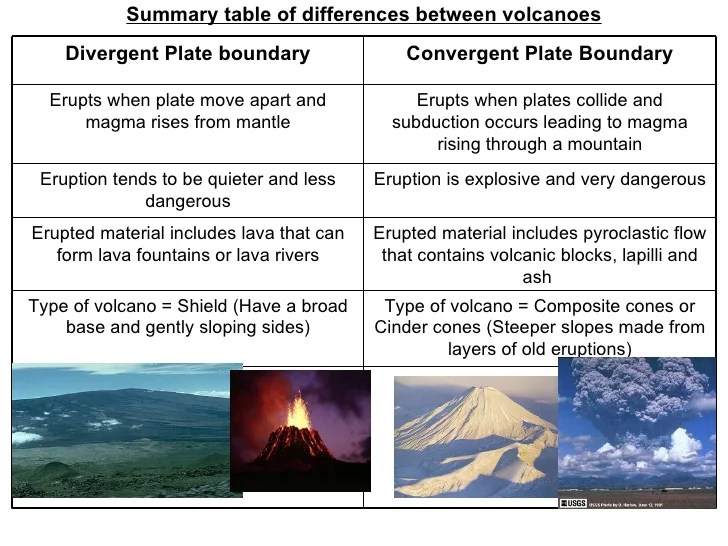
A third type of volcanic cone is a composite cone. Subscribe and get access to thousands of top quality interact. When composite volcanoes erupt they are explosive and pose a threat to nearby life and property. Composite volcanoes are characterized by highly explosive eruptions. Shield volcanoes have sides with gentle slopes.